Winter Storm Targets South Jersey as Health Experts Warn of Shoveling and Travel Risks
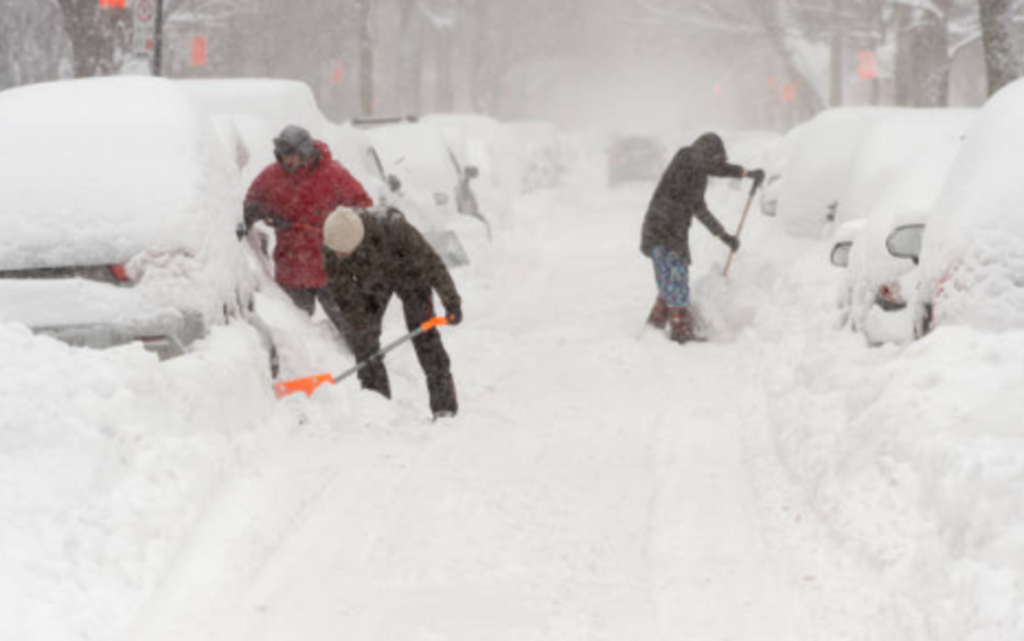
The South Jersey area is once again bracing for a major winter storm from Sunday into Monday, expected to deliver heavy, wet snow and high winds. While temperatures are not expected to be extremely cold, the nature of this storm – with significant accumulations and dangerous gusts – poses serious health risks, from cardiovascular events while shoveling to hazardous driving conditions.
Hackensack Meridian Health’s team of physicians are available to offer expert commentary on the various precautions people should take to stay safe during this winter weather event. Alina Mitina, DO, an Emergency Medicine Specialist with Hackensack University Medical Center, is also available for interviews.
Dr. Mitina warns of the storm’s specific dangers: “With this storm, we’re particularly concerned about the combination of heavy, wet snow and high winds. The weight of the snow makes shoveling incredibly strenuous, significantly increasing the risk of heart attacks, especially for those with underlying health conditions. We urge people to know their limits and avoid overexertion. Additionally, the high winds can create whiteout conditions and dangerous drifts, making driving extremely hazardous. If you don’t need to be on the roads, please stay home.”
Dangers of Shoveling Heavy, Wet Snow
Shoveling the wet, heavy snow expected with this storm is a strenuous activity that can lead to back injuries and, more critically, heart attacks.
-
Cardiovascular Risk: The intense effort of moving hundreds of pounds of snow can be a shock to the system for those who are not regularly active. Cold air constricts blood vessels, raising blood pressure and forcing the heart to work harder.
-
A Canadian study found that heavy snowfall was associated with a 16% higher chance of hospital admission for heart attacks in men and a 34% higher risk of death from a heart attack.
-
-
Populations Who Should Avoid Shoveling: The danger is especially high for those with certain risk factors. Anyone over 55 or individuals with the following conditions should avoid shoveling entirely:
-
A history of heart disease, including heart attack or bypass surgery
-
High blood pressure or high cholesterol
-
A sedentary lifestyle
-
Smokers (current or former)
-
Diabetes or obesity
-
-
Warning Signs: Stop shoveling immediately and call 911 if you experience chest pain or pressure, shortness of breath, pain radiating to the shoulders or arms, dizziness, or nausea.
-
Proper Technique: If you must shovel, warm up first. Use a lightweight shovel with a small blade to avoid lifting too much at once. Push the snow rather than lifting it, and if you must lift, bend your knees and keep your back straight. Do not twist your body.
Staying Safe in Winter Conditions
-
Dress Properly: Even without extreme cold, it’s important to stay warm and dry. Layer up with loose-fitting clothing and wear a waterproof outer layer. Wet clothing chills the body very quickly. Protect your head with a warm hat and wear waterproof boots and mittens.
-
Prepare for Power Outages: High winds can cause power outages. Keep doors and windows shut to conserve heat. Never use fuel-based space heaters (propane, kerosene) indoors, as they produce deadly, odorless carbon monoxide. Keep extra blankets and non-perishable food on hand.
-
Prevent Slips & Falls: Icy patches can hide under snow. Wear shoes with good traction when going outside, even for a short time. A minor slip can lead to serious injuries like fractures or head trauma.
Precautions for Kids Playing in the Snow
With snow in the forecast, families are looking forward to winter fun. But activities like sledding send thousands of children to the Emergency Department each year.
Noah Rybak of Oradell, NJ, was sledding when he ran headfirst into a tree. He suffered a depressed skull fracture with life-threatening brain bleeding at Joseph M. Sanzari Children’s Hospital. Today, Noah is doing well and his family advocates for winter safety.
-
Sledding Dangers: A study reveals an average of 20,000 children are treated in U.S. emergency rooms for sledding-related injuries annually. Head injuries are the most common. Sleds can reach speeds of up to 25 mph.
-
Wear a Helmet: Wearing a helmet is paramount for safety. Choose a sledding hill that is free of obstacles and has a long, flat area at the bottom to slow down.