Seasonal Affective Disorder

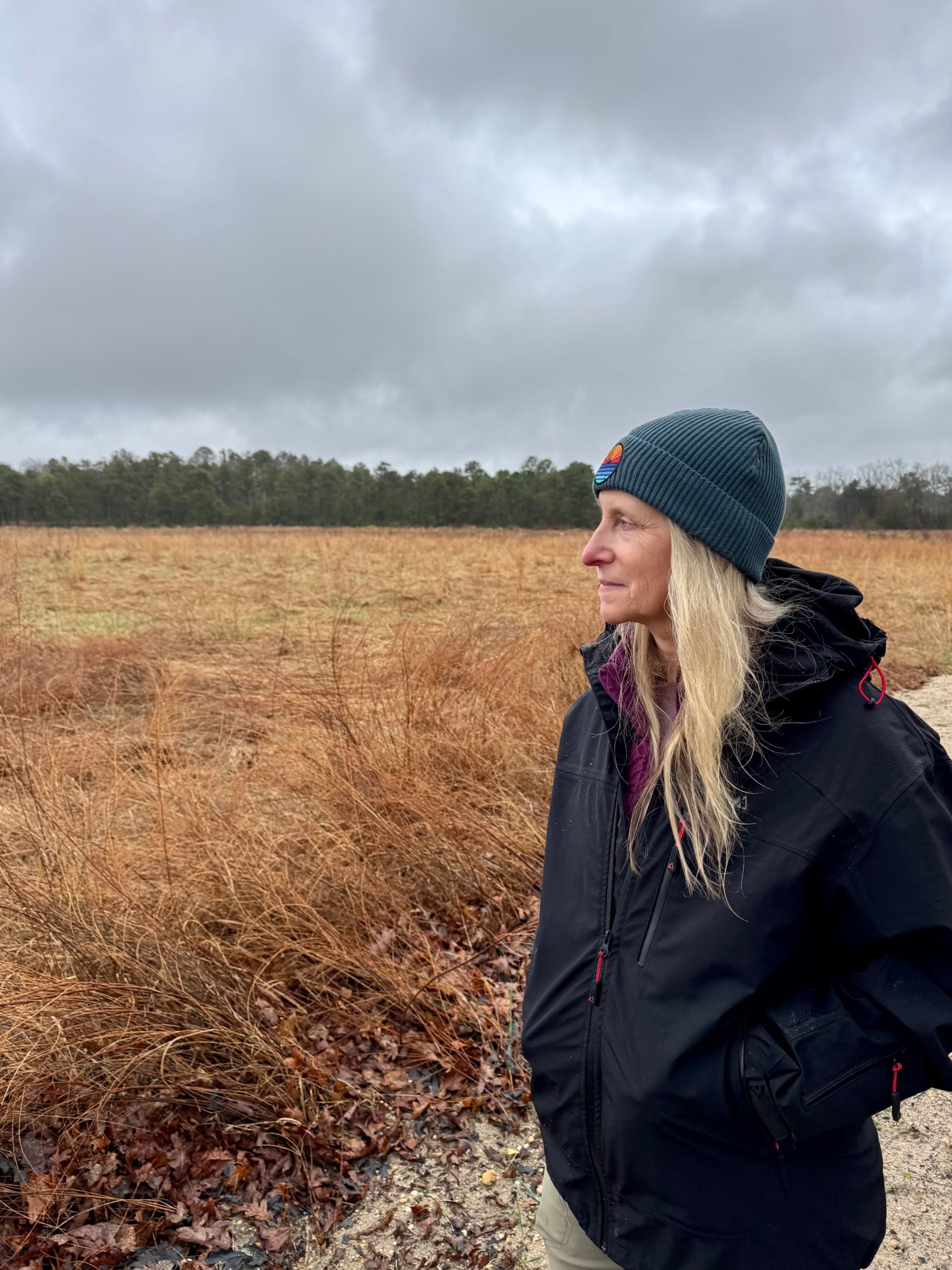
Ever since my childhood, I knew that my response to the changing of seasons was out of the ordinary. Here is how it went for me: Born and bred a South Jersey girl, I spent summers at the shore. As Labor Day weekend approached my mood would shift toward melancholy. I usually would take a solitary walk down to the beach and feel such sadness. A foreboding of what was to come, namely WINTER.
Even though I knew there would be a few more weeks of weather warm enough for beach days, I would dread what was coming afterward. Shorter and shorter days, darkness, cold winds, and eventually snow. Ugh! It felt like I was entering a dark and foreboding tunnel with no end in sight. Every year I managed to live through the gloom. On a sunny cold winter day, I would sit in front of a south-facing window and read. It seemed the best I could do, and it did help a little.
Toward the end of March as the days got a bit longer, I would anticipate spring. Ah! When the forsythia bushes bloomed, I knew I had survived winter once again! A certain euphoria would wash over me as I spent time outside again enjoying the sun and the beautiful colors of spring. Wonderful, even glorious to be alive!
I never realized that what I was experiencing was a condition with a name—seasonal affective disorder (SAD). It is a type of depression related to the change in seasons. It begins in the fall, continues through the winter months, and resolves in the spring.
Signs and symptoms of SAD include feeling listless, sad or down most of the day, nearly every day; loss of interest in activities you once enjoyed; low energy, feeling sluggish; carbohydrate cravings, overeating and weight gain; and oversleeping.
Etiology of SAD:Our biological clock (Circadian rhythm) is disrupted by the reduced level of sunlight. Reduced sunlight causes a drop in serotonin levels that may trigger depression. Change in season can disrupt the balance of the body’s level of melatonin, which plays a role in sleep patterns and mood.
Treatment of SAD may include light therapy, psychotherapy and medications. In light therapy, also called phototherapy, you sit a few feet from a special light box so that you’re exposed to bright light within the first hour of waking up each day. Light therapy mimics natural outdoor light and appears to cause a change in brain chemicals linked to mood. Psychotherapy involves learning to cope with symptoms by reducing avoidance behavior and scheduling meaningful activities, learning how to reduce stress and engage in healthy behaviors such as physical activity. Some people may benefit from antidepressants.
If you have depression you may want to consider discussing your symptoms with your doctor to help differentiate between that and SAD. It may take a while to figure out what helps you cope with SAD but it is possible. Taking whatever steps you need to do to manage your symptoms will be worth it. Just remember: The forsythias bloom every spring and we will all be back at the beach eventually!
Source: mayoclinic.org/diseases-conditions/seasonal-affective-disorder
The Cumberland County Mental Health and Addictions Board actively promotes awareness of stigma and the need for public education regarding mental health and addiction. The Board meets monthly, and the public is invited to attend. Refer to the meeting schedule on the Cumberland County website for meeting dates.
The Board is also seeking new members. Interested persons should send a letter of interest and a resume to Melissa Niles, Cumberland County Human Services, 70 W. Broad Street, Bridgeton, NJ 08302 or [email protected]
Jo Valenti, BSN, RN, is a Cumberland County Mental Health Advocate.