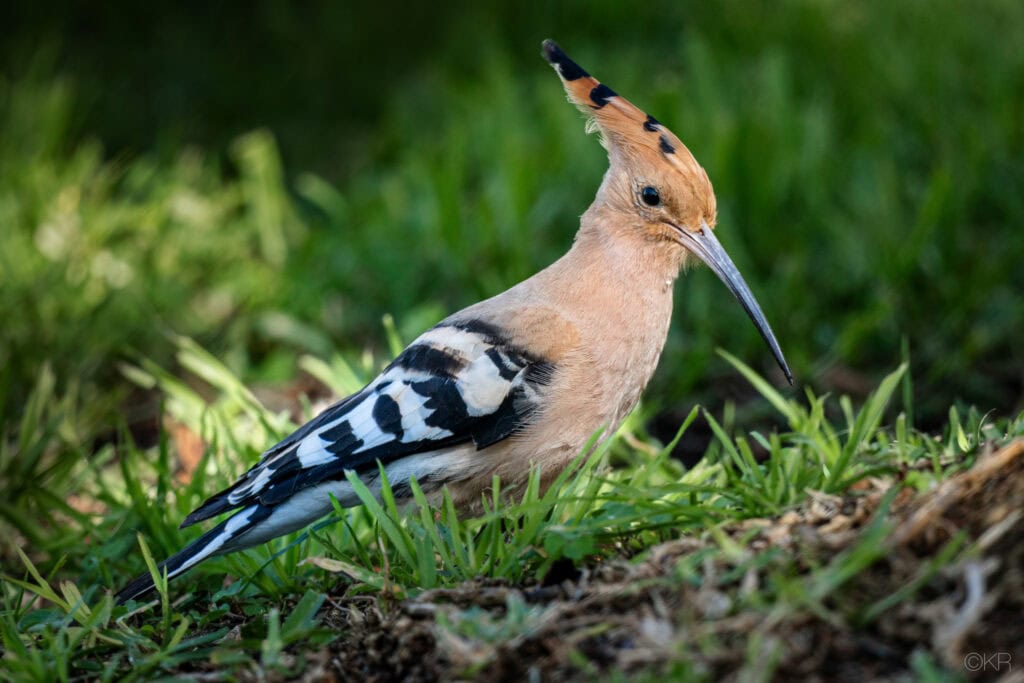
The hoopoe, a bird whose preening oil smells like manure during breeding season. Photo: Kjetil Rimolsrøn
A researcher/book author proposes that scent offers greater levels
of communication in birds—and humans—than once believed.
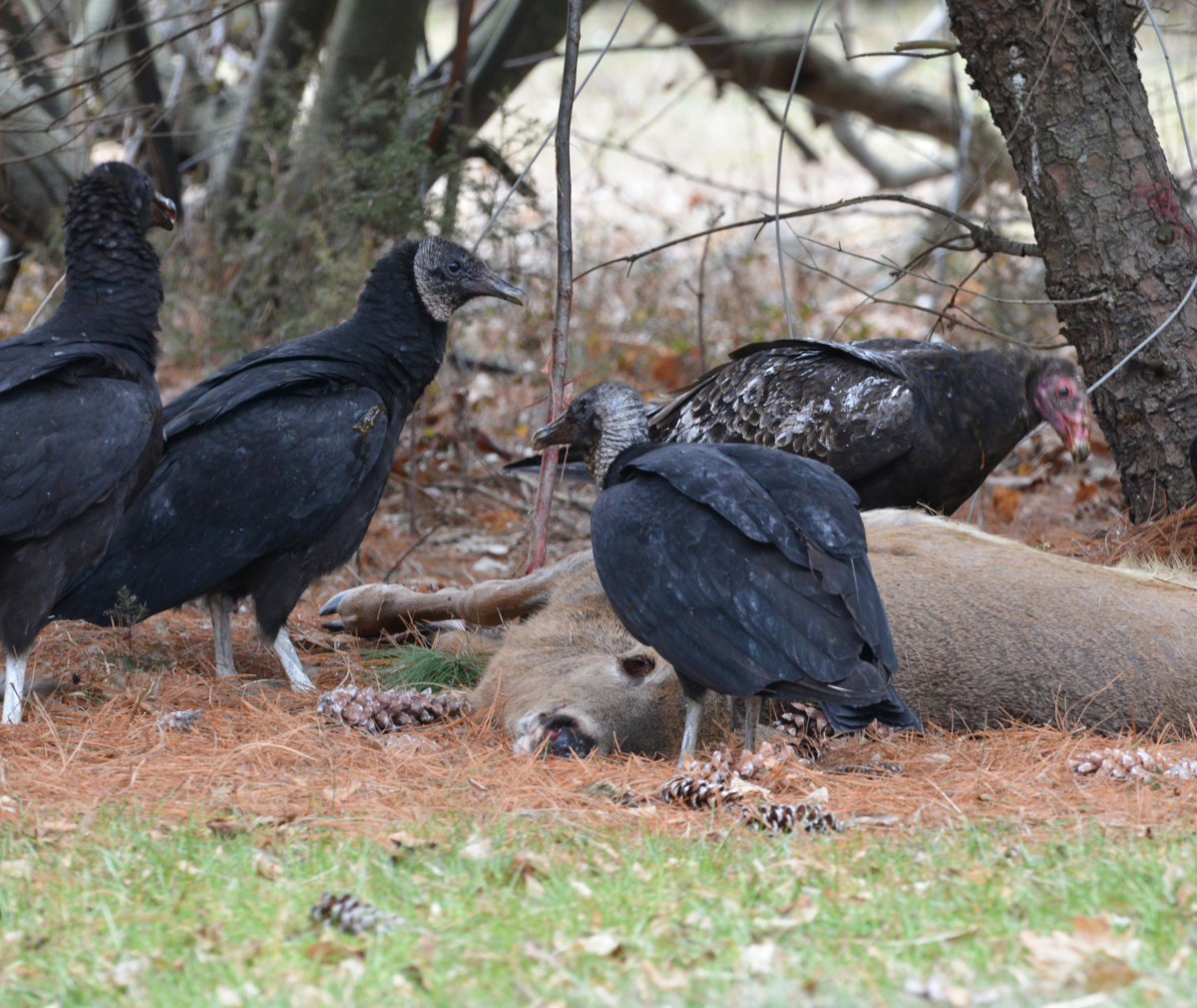
In the ornithological community, a myth has long persisted that birds have anosmia, or lack a sense of smell. This assumption dates to the 1800s and is attributed to early research by John James Audubon, who placed a rotten pig carcass under a brush pile to hide it from the view of vultures. At the same time he put a deer hide in plain sight. The vulture ignored the pig and went for the carcass he could see. Audubon concluded that birds do not have a sense of smell, but what he failed to take into account is that vultures prefer fresh venison to rancid pork.
His assumptions held sway until Kenneth Stager in 1960 showed that turkey vultures were in fact attracted to ethyl mercaptan, a gas released by decaying carcasses. Later, Bernice Wentzel demonstrated that pigeons’ heart rates increased when exposed to certain odors, and Betsy Bang determined that many birds have well-developed olfactory bulbs.
Eventually, that theory transitioned to an assumption that some species have a sense of smell and others do not. However, Wentzel established that seabirds such as albatrosses, shearwaters, and petrels can detect food sources from miles away with their nozzle-like beaks. Inspired by Wentzel, Dr. Gabrielle Nevitt theorized and eventually proved that dimethyl sulfide (DMS), a volatile compound given off by phytoplankton, was the odor that beckoned to feeding fish—the seabird’s primary food source.
When I became aware that biologist Danielle Whittaker had written a book on her own research and that of others about the olfactory characteristics of birds, I was excited to read it.
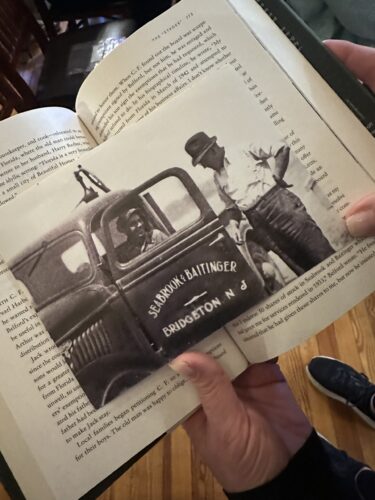
Her work, The Secret Perfume of Birds, masterfully tells the story about birds’ sense of smell and also offers insight into that of other animals, including humans. Today, the technical ability to unwrap and analyze the chemistry of odor is much more advanced. DNA sequencing also allows researchers to look more closely into the symbiotic bacteria and the role the microbiome plays in the relationships of birds and other animals.
Birds are not the only animal to be popularly maligned as having poor odor-detecting abilities. Humans’ olfactory sense is also underestimated. Whittaker cites a number of observations and experiments to demonstrate that people are more sensitive than once thought—and that they subconsciously rely on aromas to a surprising extent.
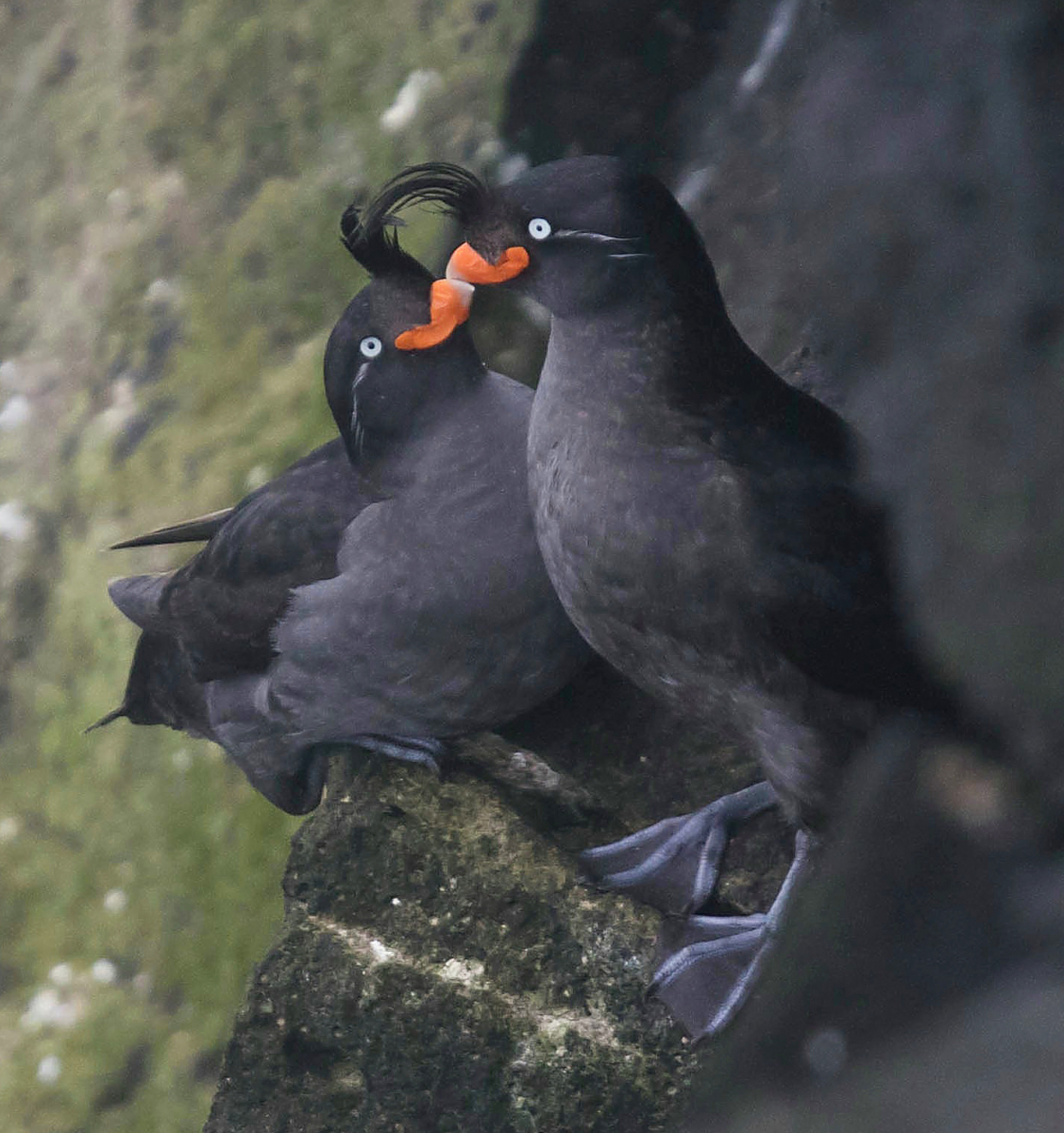
Not only do birds have olfactory abilities they also give off scents. Crested auklets are known for smelling like tangerines during mating season. Photo: St Paul Island, Bering Sea, Flickr: Budgora
A researcher at UC Berkeley had volunteers follow the trail of chocolate using only their noses. Not only were they successful, but they also became more proficient with practice over time. Additionally, one individual, Joy Milne, is known as a “super smeller” who can detect Parkinson’s disease many years before it is diagnosed. She describes it as having a particular musky smell.
Whittaker also speaks about an experiment which revealed that people who shake hands subconsciously sniff their hands afterwards. To understand this more fully I strongly suggest reading the book.
Many behaviors that have been labeled “displacement” (i.e. without real purpose like the smelling of your hand), indeed have a function. I will try to unwrap this using birds as a prime example.
Birds have a uropygial gland at the base of their tails which you may know as a preening gland. It excretes a waxy substance for grooming feathers and often, in addition, waterproofing them. Whittaker’s work has been focused on the odors and symbiotic bacteria within the preen oil.
The collection of microorganisms in an environment is the microbiome, and it has an odor that can be chemically analyzed. You may find it interesting that each person’s home has its own distinctive microbiome influenced by those who live there, including the dog. Scientists can actually define your home by this shared and unique microbiome. The same is true of a bird’s nest; you could define siblings not only by their DNA but also by their microbiome, or shared bacteria. Your gut contains bacteria which you need to remain healthy. In fact you are in part made of the bacteria that lives within you, the microbial community.
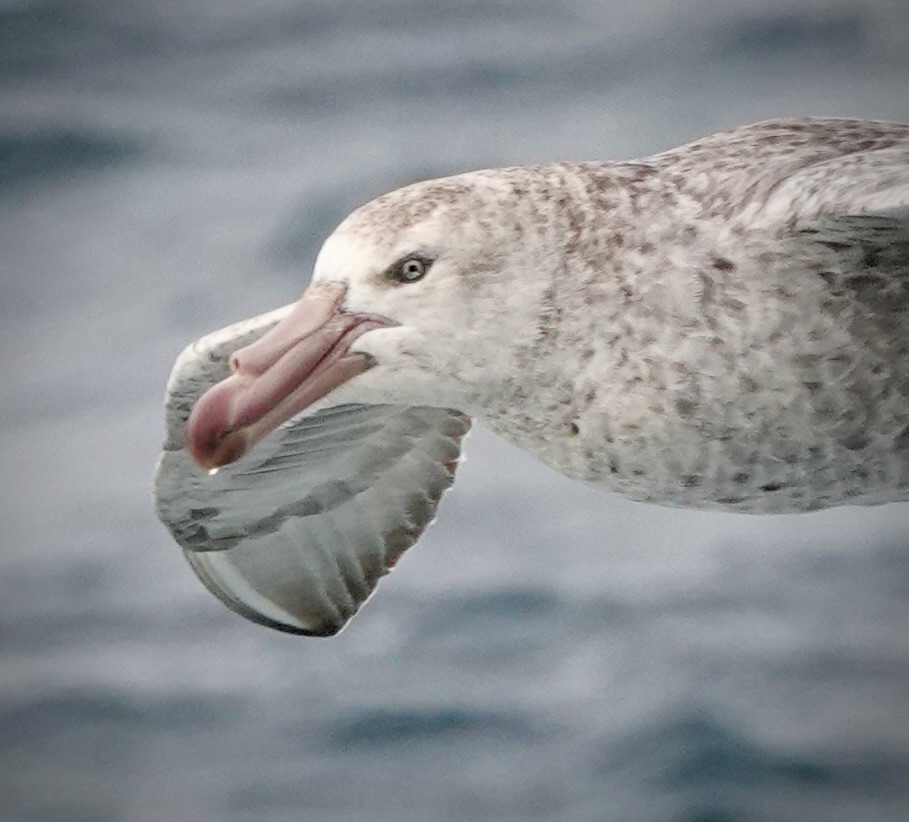
Giant petrels with their tubular beaks were identified by Bernice Wentzel as detecting dimethyl sulfide, a compound given off by phytoplankton (fish fare), thus enabling them to find fish. d their findings.
John Audubon wrongly concluded that turkey vultures hunted only by sight and had anosmia (no sense of smell). Pictured below are turkey vultures and black vultures feeding on a road-killed deer carcass. Photos: J. Morton Galetto
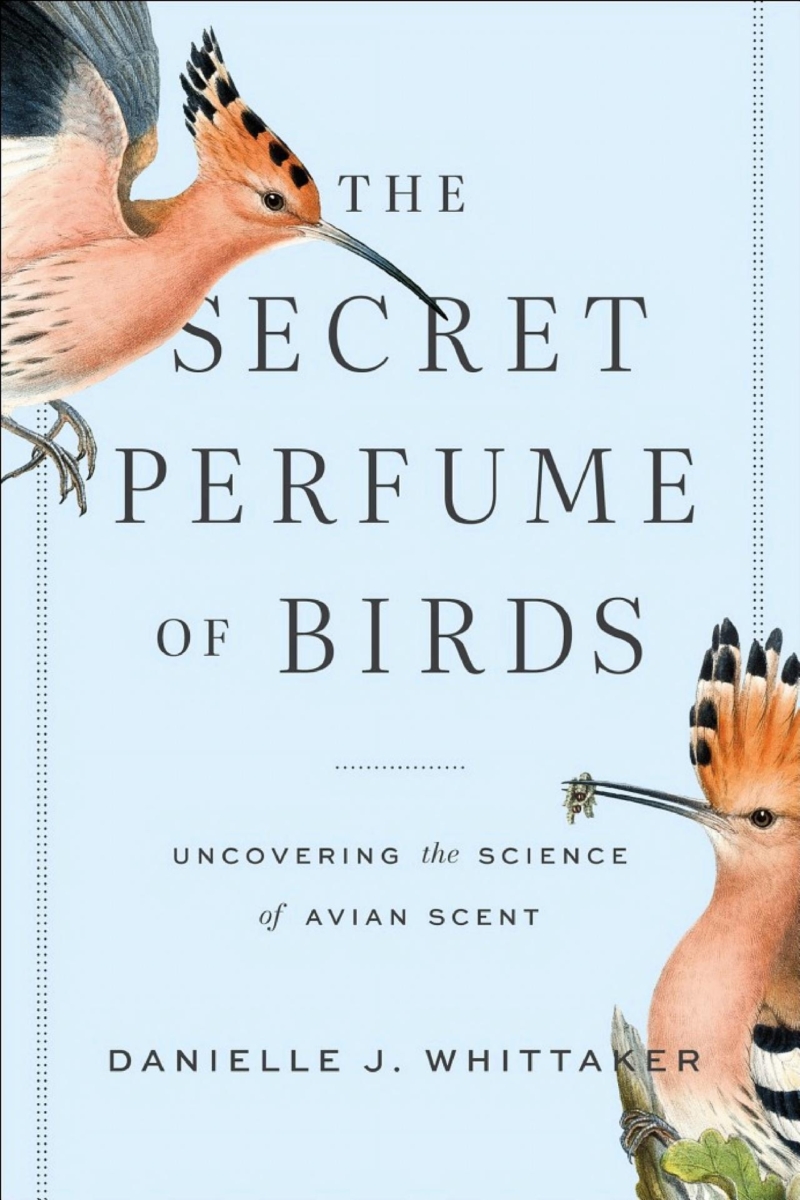
For many years it was believed that birds did not possess a sense of smell. Biologist Danielle J. Whittaker speculates that since the major discoveries of the presence of an olfactory sense in birds were discovered by women biologists, sexism suppressed their findings.
Back to the concept of displacement. When birds are done preening, they often (especially in breeding season) do a lot of bill-wiping on a branch. Ornithologists assumed this was a nervous tic—a displacement behavior, or simply cleaning the bill. But Whittaker suggests this waxy substance has odors and a microbiome that likely identify the bird and possibly his community. He’s marking his territory with information about himself and his where-abouts.
A bird’s scent can communicate information about its overall health and likely plays a role in mate selection and attraction. If diversity is important, birds might select outside of their own biome.
Let’s return to people for a moment. Each of us has his own unique odor. When perspiration comes from the pores in our underarms and is exposed to the air and bacteria this odor is given off. In our society we eradicate or mask the bacteria with deodorants; however a scientist who spent time in a culture that did not use deodorant told me she could identify every member of the household by their individual odor. Having just returned from villages along the Karawari River in Papua New Guinea, I found that I could tell one village guide from another by their individual scent. This prompts the question, “What subconscious role does odor play in our own mate selection process?”
People who work with birds often describe individual species as having certain odors. Brown-headed cowbirds smell like sugar cookies. A South American bird, the hoatzin. chews on leaves, and the fermentation in its craw gives it a barnyard manure odor. Kakapo, the flightless parrot of New Zealand, has a musky honey odor, believed to help the flightless bird find a mate; however it nearly caused the species’ demise when introduced (non-native) cats and rats found them all too easily by scent.
Two birds are famous for their odors. The hoopoe, a bird with a huge crest in relation to its body, is indigenous to Europe, Africa, and Asia. Its preen gland oil, during mating season, takes on the odor of rotting meat. They place this oil on their eggs as well, in an effort to deter predators from the nest. Conversely, those working with crested auklets during mating season describe their scent during breeding season as being that of fresh tangerines. Females bury their beak in the neck of a prospective mate for a good “ruff sniff;” it is part of the mate selection process. Their scents also have the benefit of repelling parasites.
Current chemical analysis techniques are continually improving in their ability to detect variables. Cross-referenced with DNA sequencing, this opens the door for new hypotheses to be tested. Although Whittaker does a great job of taking complex information and making it understandable to the layperson, I think anyone with a science background will fly through parts of the book that I found challenging. I have also over-simplified much of the critical information that she endeavors to share. But for the serious scientist, the work includes an excellent glossary along with references that will allow exploration of any topic/study in much greater depth.
Whittaker is using chemical ecology to gain greater insights into bird communication and mate selection. Our exploration of the animal world often reflects back on our own species. The book offers greater awareness of the complexities of other species, their behavior, and the multifaceted world of scent. Who knows: Maybe someday a dating application will include your microbiome compatibility with another individual as an indicator of a successful match.