Paramedics Can Administer Blood Transfusions

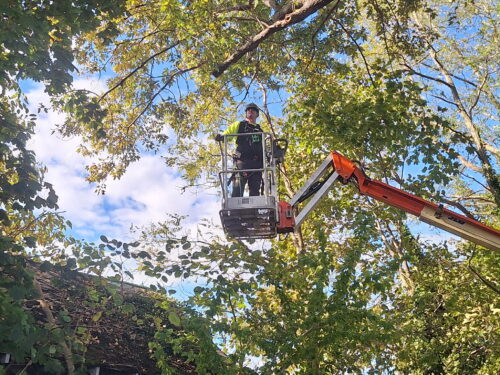
Paramedics in New Jersey can now administer blood transfusions at the scene of emergencies and while transporting patients to hospitals, according to an announcement by the New Jersey Department of Health (NJDOH). This is a critical advancement that medical experts believe will save lives across the state. That follows the Department of Health’s issuance of two waivers in late 2024 authorizing hospital systems to partner with blood banks and implement a pre-hospital whole blood and blood component administration program.
Last year, nearly 700 people died in vehicle accidents in New Jersey. According to the National Highway Traffic Safety Administration (NHTSA) data, more than 40 percent of crash victims nationally are alive when first responders reach the scene but later die.
“These waivers represent a significant advancement in emergency care for New Jersey residents,” said Acting Health Commissioner Jeffrey Brown. “By bringing life-saving blood transfusions directly to trauma patients in the field, we’re implementing a practice that has been proven to save lives during the critical first minutes after sustaining injuries.”
In 2024, New Jersey’s mobile intensive care paramedic programs responded to 15,019 calls involving serious traumatic injuries and accidents across all 21 counties. The highly trained professionals delivered critical, life-saving interventions during the most crucial moments.
Under the new waivers, participating services must establish written protocols for blood administration in collaboration with blood banks, complete comprehensive education programs, implement stewardship programs to prevent waste, and collect extensive data on patient outcomes.
This development builds on New Jersey’s history of innovation in emergency medical care. In June 2019, the state led the nation by authorizing paramedics to use buprenorphine to treat acute withdrawal symptoms after patients were revived from opioid overdoses with Naloxone. In February, NJDOH expanded paramedics’ authority to treat individuals with opioid use disorder by broadening the scope of buprenorphine administration in the field.