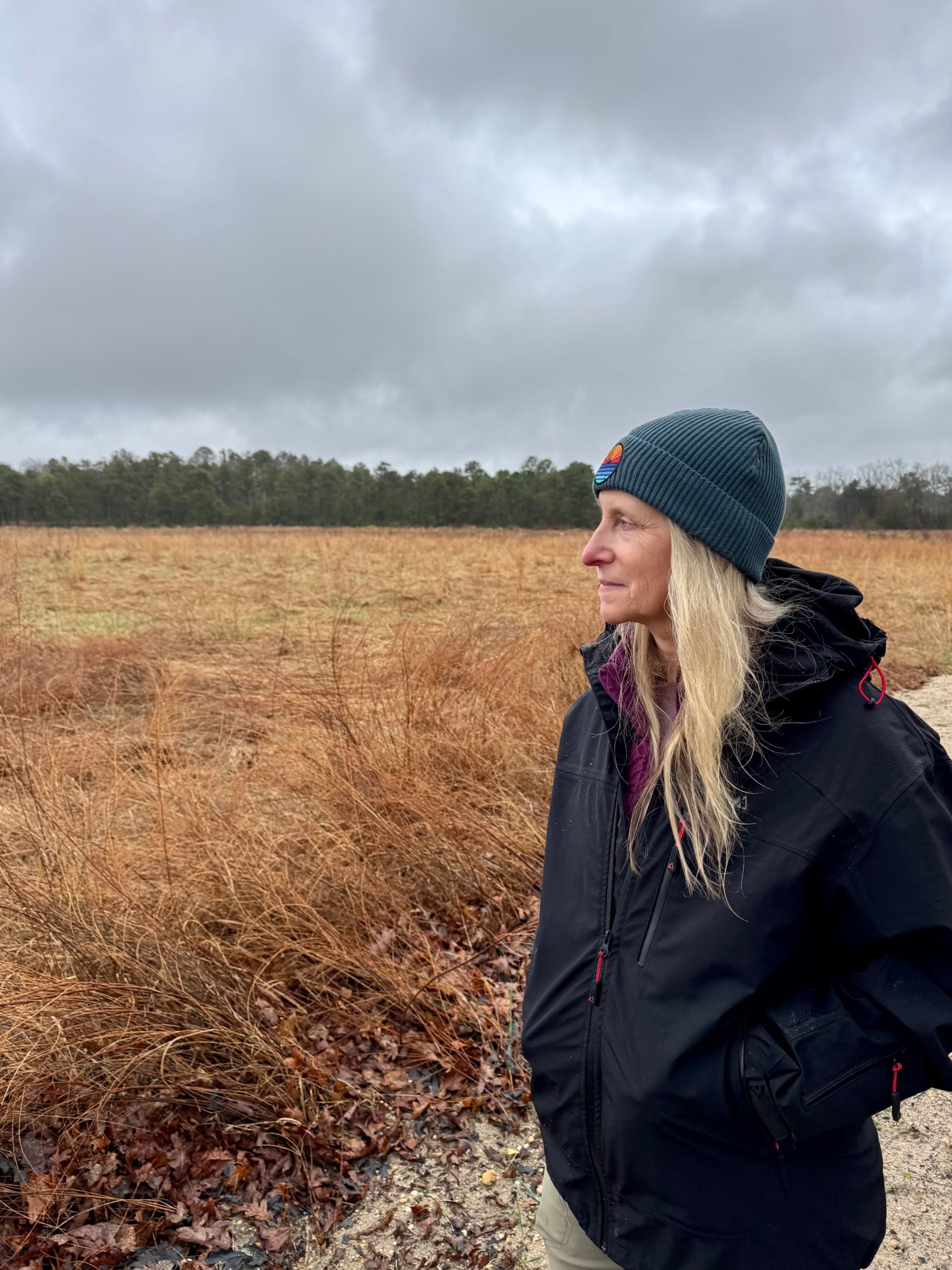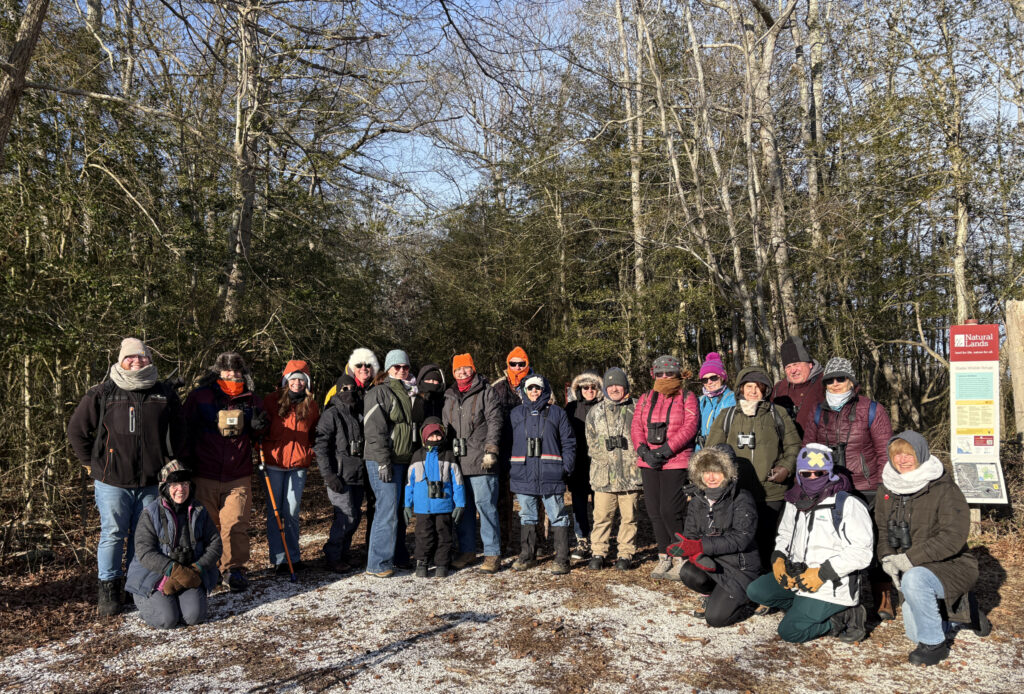
Joining a group that engages in outdoor activities allows you to enjoy the camaraderie of others and motivates further participation. CU Hike at Natural Lands Eagle Trail, Turkey Point, Photo: J. Wiberg, CU Staff
Tips for getting through the last short days of the season: If possible, enjoy the sunlight hours outdoors.
One of my favorite days of winter is the solstice. It is the shortest day of the year, having about seven hours and 40 minutes of daylight. It is not the day itself that I like but rather what it signifies—that each day going forward will have a few more minutes of daylight than the previous one. I think of the winter solstice like some folks think of Wednesday, as an annual hump day.
The problem is that although the days are now getting longer, the darkness for many is taking its toll. And the second half of winter simply seems longer. Those with a five-day work week who are confined to the indoors often receive an insufficient amount of time in the sunlight during this season. The American Psychiatric Association (APA) reports that 29 percent of Americans report a deterioration in their mood during the winter months. Some people’s mood shifts to such an extent that it can be classified as Seasonal Affective Disorder, or SAD.
If you have clinical depression, the support of a mental health professional may be in order. But if you simply have the winter blues, feel like sleeping more, have some fatigue, are a bit moodier than usual, and experience an increased appetite there are a lot of ways to elevate your mood. Behaviors people reported as being linked to their winter blues are sleeping more, 41 percent; feeling fatigued, 28 percent; feeling depressed, 27 percent; feeling moody, 23 percent; losing interest in things they like doing, 20 percent; eating more sweets, 21 percent; and 14 percent problems sleeping, 21 percent.
APA respondents, when asked about how they boosted their winter mood, responded, “eating good food (46 percent), reading, watching TV or other indoor habits (42 percent), or spending time with family and friends at the holidays (40 percent). When asked which activities helped them cope with winter weather, Americans were most likely to select talking with friends and family (46 percent), sleeping more (35 percent), and going outside (35 percent).”
There were differences between men and women as well.“More women (45 percent) than men (37 percent) said their mood declined in winter and the time change had a greater impact on women—33 percent of women said it was bad for their mental health versus 26 percent of men. Generally, women reported more behavioral changes related to the change of season, such as feeling moody, and were less likely to report feeling happier (15 percent of women versus 21 percent of men).
I did not find an article linking men who had less of a mood decline in winter specifically to light exposure. But I did find research that showed men spend approximately 52 percent more time in bright light than women (Brigham Clinical & Research News). A National Health and Nutrition Survey had 11,314 participants wear a light sensor on their wrist that measured time spent in dim, moderate, and bright light, by men and women. The study discussed the impacts on mood and on the Circadian system, which refers to sleep cycles and is connected to the seasons, primarily their amount of light each day. It is closely tied into hormonal regulation, body temperature, the digestive system, cardiovascular system, and cognitive functions.

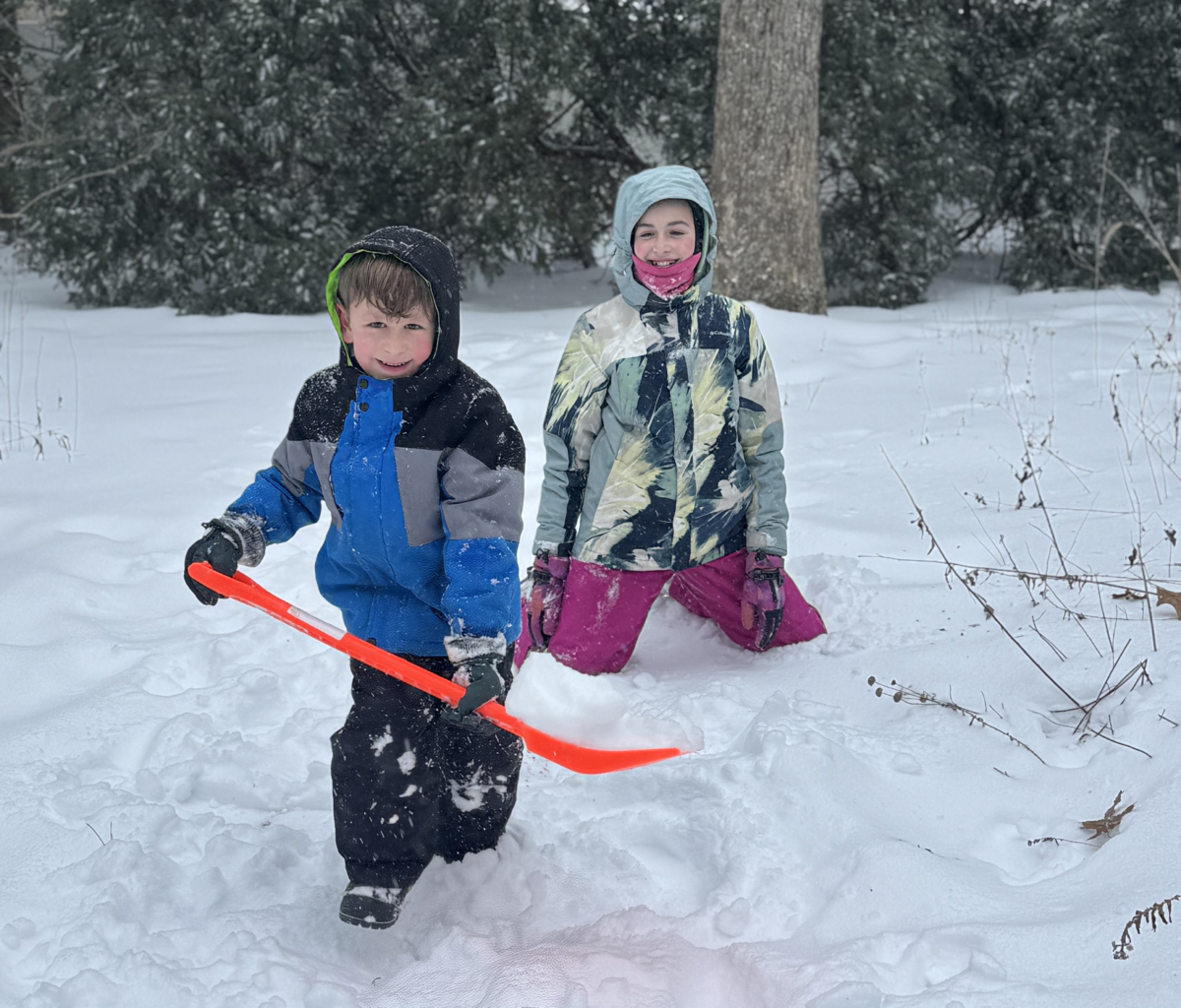
When properly dressed, children can experience the joys of outdoor winter activities.
Photo: CU File Photo CariAnne Slotterback
The APA poll also revealed; “The region of the country most impacted by winter in the survey was the Midwest. Half (52 percent) of Midwesterners said their mood declined in the winter, the highest of all regions, and 36 percent of them said that winter weather made them feel depressed. In contrast, a quarter of people in the Western states said winter made them happier, while just 11 percent of those in the Midwest did.”
Urbanites were less likely to report a winter decline in mood (36 percent of urban dwellers versus 46 percent of the rural population). The time change was more likely to hurt rural mental health (31 percent) than their counterparts in cities as well (24 percent). October 2014 poll American Psychiatric Association.”
Just recently, our column discussed what makes walking in the winter woods special and different from meanderings in other seasons. Behavioral psychiatrists have recently been enumerating and touting the benefits of the out-of-doors to help boost spirits. And during this season of increased darkness, the added light we enjoy when outside has important advantages. In fact, the levels of serotonin, a mood-regulating hormone, are directly linked to exposure to sunlight.
The Multidisciplinary Digital Publishing Institute distributed a Crossover Study by researchers R. Nagare et al. on the body’s biological clock as it relates to light and darkness. These researchers discuss the Circadian alignment as fundamental to sleep, vitality, and mental health. Light is also directly related to the creation of melatonin, a hormone in the brain that helps regulate sleep. These scientists experimented with two types of window glass and blinds on windows. Exposure to sunlight and darkness and the timing of exposure all influence the Circadian alignment, rest, and mood. Ultimately, the recommendation is to let the sunlight in.
During COVID-19, a number of Japanese medical researchers (K. Taniguchi et al.) shared their findings about the effect of external environmental influencers, especially sunshine, on mental health. They concluded, “[R]esults showed that exposure to sunlight, spending leisure time in green spaces, and physical activity each had a positive impact on people’s mental health, including depression, anxiety, and stress states. Specifically, moderate physical activity in an external environment with sunlight exposure or green space was found to be an important factor. The study found that exposure to the natural environment through sunbathing and exercise is important for people’s mental health.”
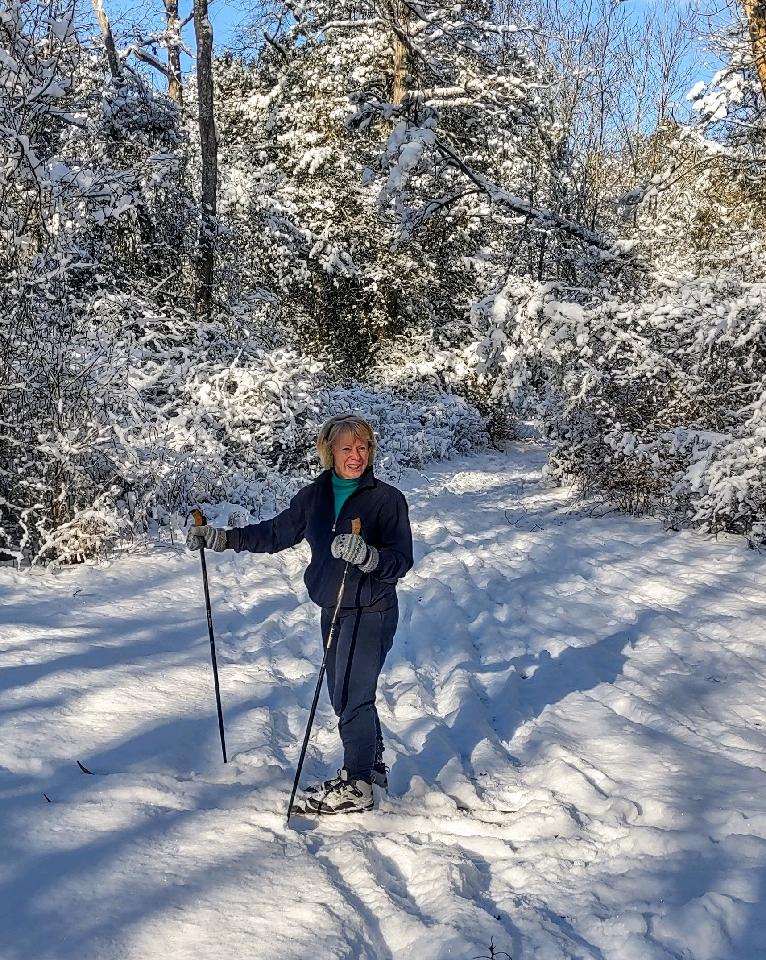
Recent snows encouraged some cross-country enthusiasts to strap on their skis. Photo: R. Praetorious
RIGHT: Kids of all ages can benefit fromoutdoor winter activities. Photo: K. Rossini
Again, for those who couldn’t get natural outside light from windows, it was noted that sufficient artificial lighting and light-colored walls were all helpful.
In winter, people are increasingly drawn to being snowbirds, travelling to sunny, warmer places. This is clearly a form of self-medication. I find that in the shelter of trees, a sunny spot can offer the same experience—a poor man’s holiday.
Regardless of the time of year, morning walks, outdoor morning coffee, outdoor lunch breaks, and walks in green spaces were all stressed in the conclusions of various studies. One of my suggestions to beat the blues includes adopting an outdoor hobby like gardening, birdwatching, hiking, bicycling, pickleball, golf, tennis, sailing, horseshoes, corn hole, bocce ball, plein air painting, kite flying, hunting, rocketry, shifting meetings from indoors to outdoors, etc. Another suggestion is to take a traditionally indoor activity like mahjong, jazzercize, knitting, playing cards, your reading circle… into the great out-of-doors.
Needless to say, if you have a serious case of the doldrums, you should consider consulting with a physician. Symptoms can often be treated with light therapy or antidepressant medications. I would also invite you to join CU Maurice River, or any other outdoor organization or recreational hobbyist group, that helps you to commit more time to being outside. I’ve found many of our members prefer to hike with others, sharing natural facts or just enjoying a feeling of safety and companionship. The benefits of engaging with people with similar interests helps motivate us to get out and about.
Sources
Two in Five Americans Say Their Mood Worsens in Winter; 29% Say “Falling Back” Hurts Their Mental Health, American Psychiatric Association, October 30, 2024
Nagare, R., Woo, M., MacNaughton, P., Plitnick, B., Tinianov, B., & Figueiro, M. (2021). Access to Daylight at Home Improves Circadian Alignment, Sleep, and Mental Health in Healthy Adults: A Crossover Study. International Journal of Environmental Research and Public Health, 18(19), 9980.
Taniguchi, K., Takano, M., Tobari, Y., Hayano, M., Nakajima, S., Mimura, M., Tsubota, K., & Noda, Y. (2022). Influence of External Natural Environment Including Sunshine Exposure on Public Mental Health: A Systematic Review. Psychiatry International, 3(1), 91-113.
Wallace, D.A. Light exposure differs by sex in the US, with females receiving less bright light. npj Biol Timing Sleep 1, 16 (2024)
What is Circadian Rhythm? Bioenergetics, bioenergetics.com