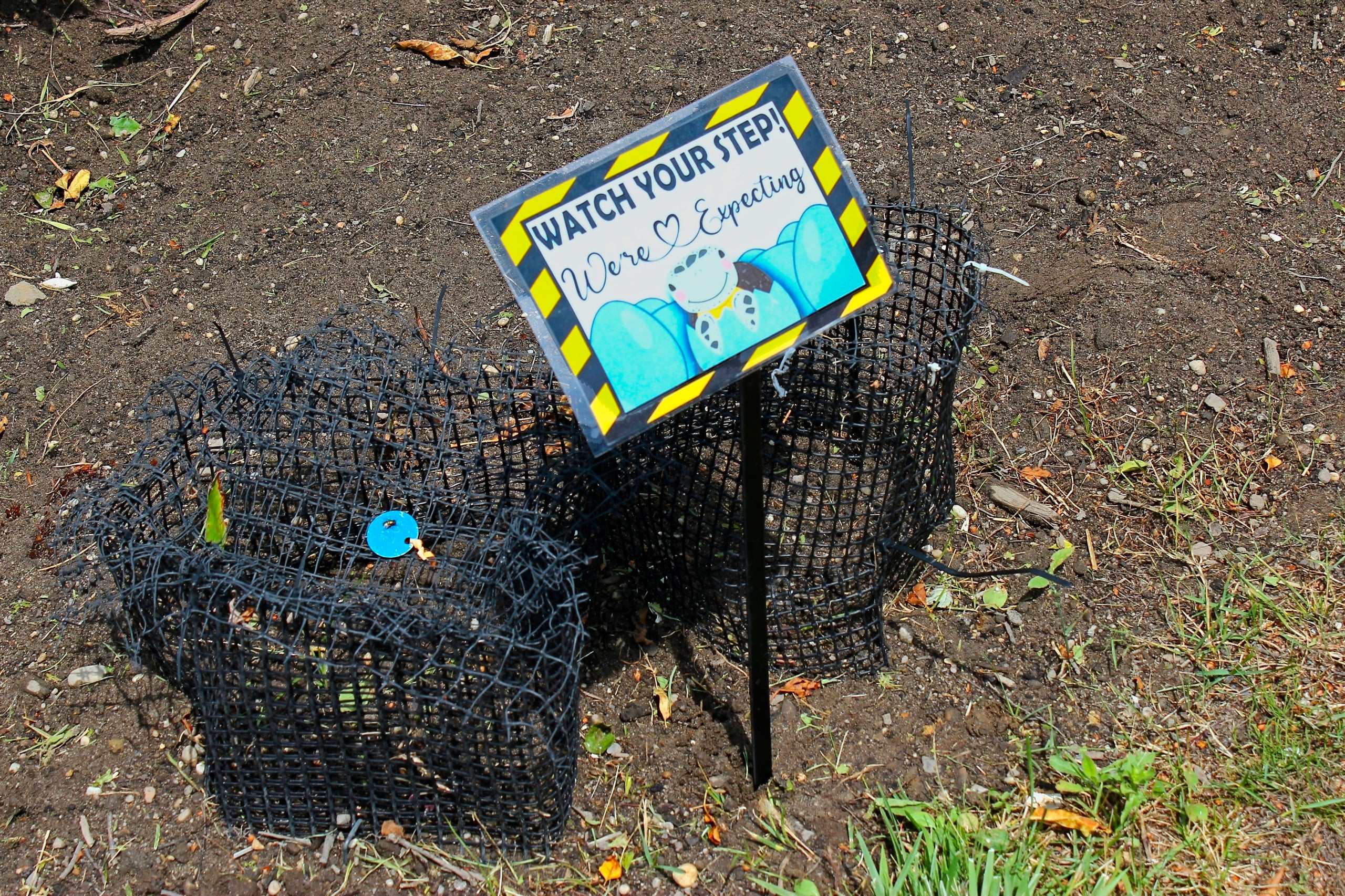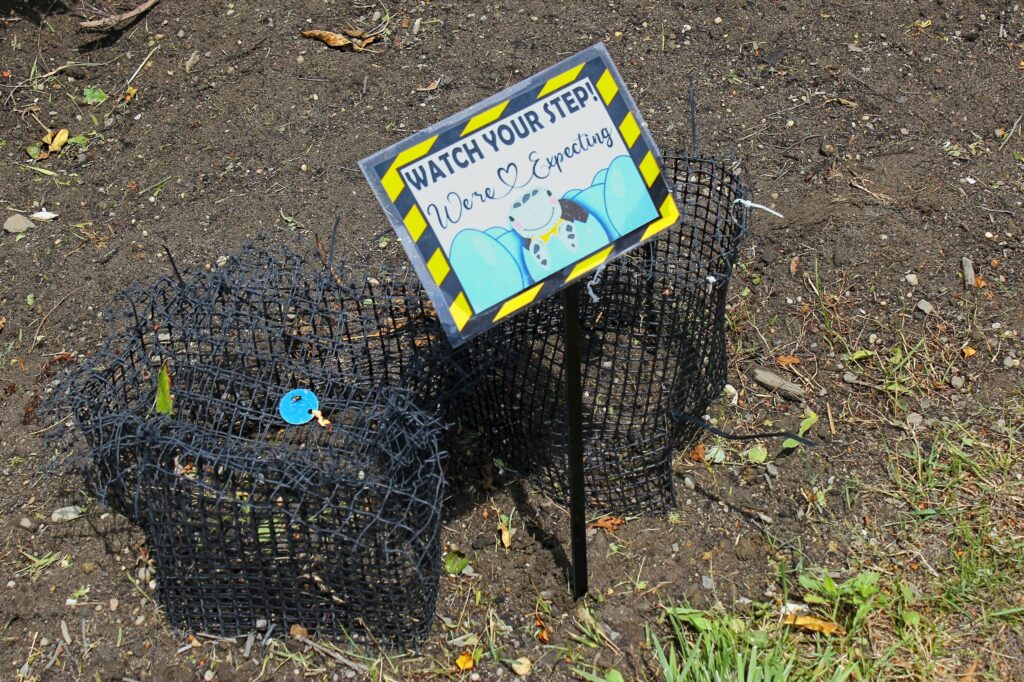
High marsh and transitional upland habitat is designed to support diamondback terrapin nesting as well as coastal bird species.
The Wetlands Institute has been awarded a grant valued at $3,075,000 through New Jersey’s Regional Greenhouse Gas Initiative (RGGI) Natural Climate Solutions program to support the Salt Marsh Trail Revitalization project, an innovative effort to advance wetland restoration and climate resilience along New Jersey’s coast.
The project will restore nearly five acres of tidal salt marsh within the Scotch Bonnet Island marsh complex and elevate the Salt Marsh Trail at The Wetlands Institute, serving as a demonstration site for ecosystem-based approaches to wetland restoration. Designed to address accelerating marsh loss driven by sea-level rise, the work will increase carbon storage, enhance habitat for marsh-dependent wildlife, and strengthen the natural buffering capacity of coastal wetlands. Importantly, the project is intended to generate transferable restoration frameworks that can be replicated across other threatened wetland systems well beyond New Jersey.
“By restoring and elevating vulnerable marsh habitat and the Salt Marsh Trail, we are addressing the accelerating impacts of sea-level rise while increasing the capacity of these systems to support wildlife, and buffer storm energy,” said Dr. Lenore Tedesco, executive director of The Wetlands Institute. “This work builds on decades of innovative research and restoration at The Wetlands Institute and demonstrates how nature-driven solutions can advance coastal resilience.”
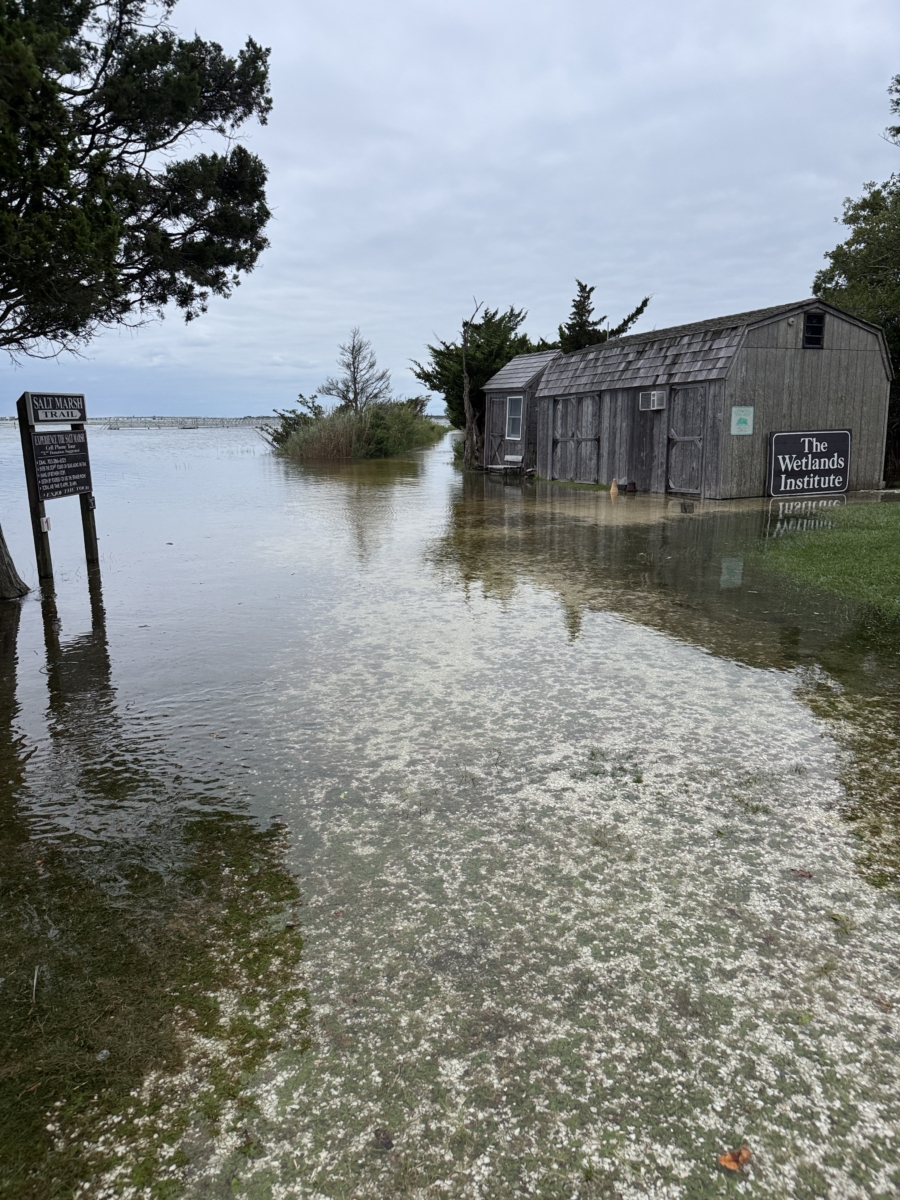
The project represents the second phase of marsh restoration conducted in partnership with New Jersey Fish and Wildlife and builds on earlier efforts that helped advance beneficial use practices for marsh restoration. As part of the project, the Salt Marsh Trail will be elevated by two to three feet and widened to enhance public access and education opportunities, increase native vegetation cover, and create new high marsh and transitional upland habitat designed to support diamondback terrapin nesting and coastal bird species. When completed, the restored marsh and trail system will also provide increased protection from storm-driven waves, improving resilience for the Institute’s campus and surrounding marshes.
Flooding that once occurred twice a year now happens more than 60 times annually, threatening marsh stability and diminishing the ability of these systems to absorb floodwaters and reduce storm surge. Historic analysis shows that marsh acreage in the surrounding area has declined significantly over the past century, underscoring the urgency of science-based restoration efforts that protect both critical ecosystems and the people who depend on them.
The project brings together a collaborative team of scientific, engineering, and municipal partners to support design, monitoring, and long-term evaluation.
“This important project further protects the barrier island communities from sea level rise and coastal storm events that are becoming more frequent, and more severe,” said Avalon Mayor John McCorristin.
Wetlands Institute scientists will be utilizing advanced monitoring and documentation conducted in collaboration with researchers from the University of Pennsylvania, using drone-based data collection and other sophisticated tools to track pre- and post-restoration conditions and ecosystem response.
Project design and implementation are supported by environmental and landscape architecture partners, integrating site engineering with innovative planting strategies and plant composition to maximize ecological benefit and increase biodiversity.
Planning and permitting for the project are underway, with implementation expected to follow completion of final design and regulatory review.